


Is Skin Lightening Treatment Safe? Here's the Truth
- Nabilah Chowdhury
- Feb 6
- 5 min read
I'm often asked about skin lightening treatments. And honestly? I completely understand the hesitation.
There's a lot of confusing information out there. Horror stories about dangerous products. Concerns about safety. Questions about whether it's even worth considering.
So let me be straight with you. The answer isn't a simple yes or no. Like most things in aesthetics, it depends entirely on how you approach it and who is guiding your treatment.
Why People Consider Skin Lightening
First, let's talk about why people come to me asking about these treatments in the first place.
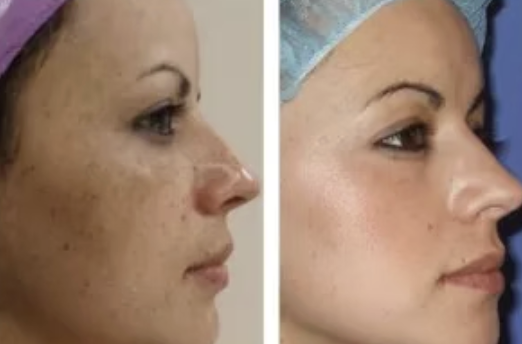
It's rarely about wanting to change their entire complexion. More often, it's about specific concerns:
Hyperpigmentation – those stubborn dark patches that appear after acne, pregnancy, or sun damage
Melasma – the "mask of pregnancy" that doesn't always go away
Uneven skin tone – general blotchiness that makes skin look tired
Age spots – those little reminders that we've spent plenty of time in the sun
These are legitimate skin concerns. And wanting to address them doesn't make you vain – it makes you human. We all want to feel comfortable in our own skin.
The Real Dangers: What You Need to Know
Here's where I need to be completely honest with you.
Many skin lightening products on the market are genuinely dangerous.
I've seen patients who've used products bought online or from unregulated sources, and the results can be devastating. This isn't me being dramatic – the research backs this up.
Mercury Contamination
Some products tested in major cities have contained mercury at levels 27,000 times higher than the permissible limit. Let that sink in for a moment.
Mercury exposure can cause:
Headaches and memory problems
Nervous system damage
Kidney damage
Learning difficulties in children who are exposed
These aren't minor side effects. They're serious health risks that can affect you for years.
Ochronosis
This is particularly cruel. Ochronosis is a condition where skin actually darkens permanently – the exact opposite of what people are trying to achieve. It causes blue-black discoloration and skin thickening that's often irreversible.
It's commonly associated with hydroquinone products, which is why over-the-counter hydroquinone isn't legally marketed in many places.
Steroid Absorption
Many unregulated products contain topical steroids that get absorbed through your skin. This can lead to:
High blood pressure
High blood sugar
Blurred vision
Weakness and swelling
Adrenal gland suppression
The risk is even higher if you're using these products over large areas of skin or for extended periods.
So... Is ANY Skin Lightening Safe?
Yes. But – and this is important – only when it's done properly, in a clinical setting, with medical supervision.
The difference between a dangerous product and a safe treatment comes down to three things:
What's actually in the product
Who's prescribing or administering it
How it's being monitored
When you buy something online or from an unregulated source, you have no idea what's really in it. Labels can be misleading or outright false. There's no quality control.
When you work with a medical professional, you get treatments that have been properly tested, with ingredients at safe concentrations, tailored to your specific skin type and concerns.
What I Offer at Bella Medica Aesthetics
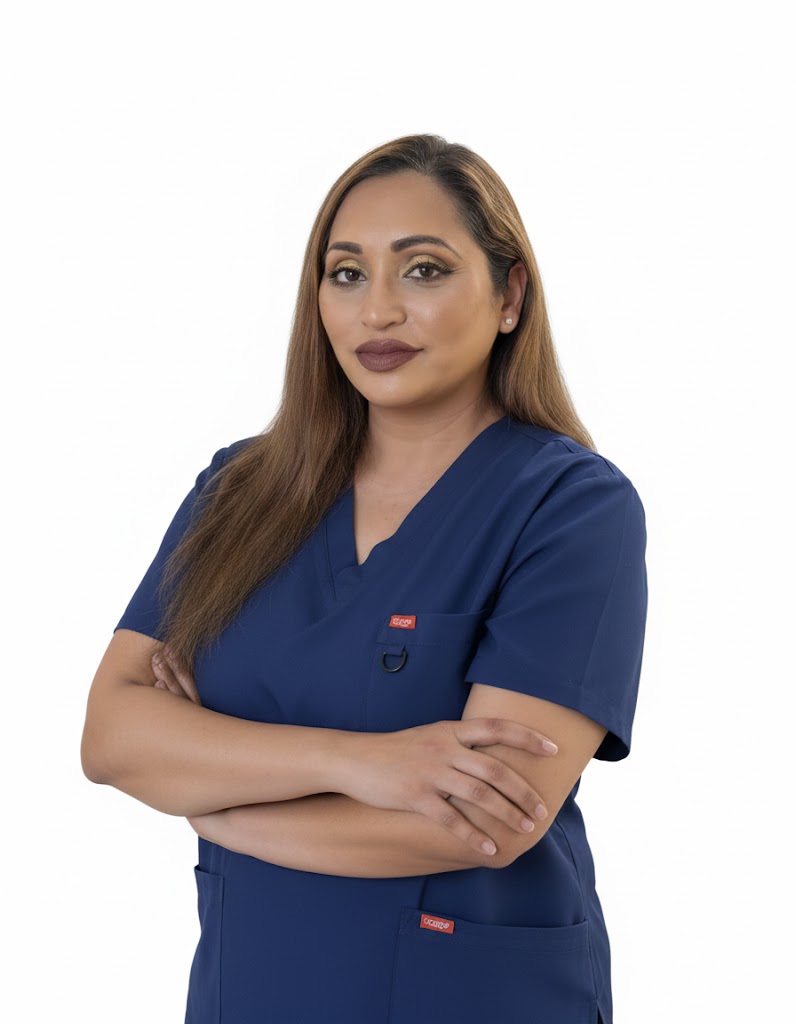
I've been a GP for over 20 years. That medical background isn't just a nice credential to mention – it's fundamental to how I approach aesthetics.
Before recommending any treatment, I assess your skin properly. I consider your medical history, your skin type, any medications you're taking, and what's realistic for your particular concerns.
At our clinic in Lancashire, we offer several evidence-based options for addressing pigmentation and uneven skin tone:
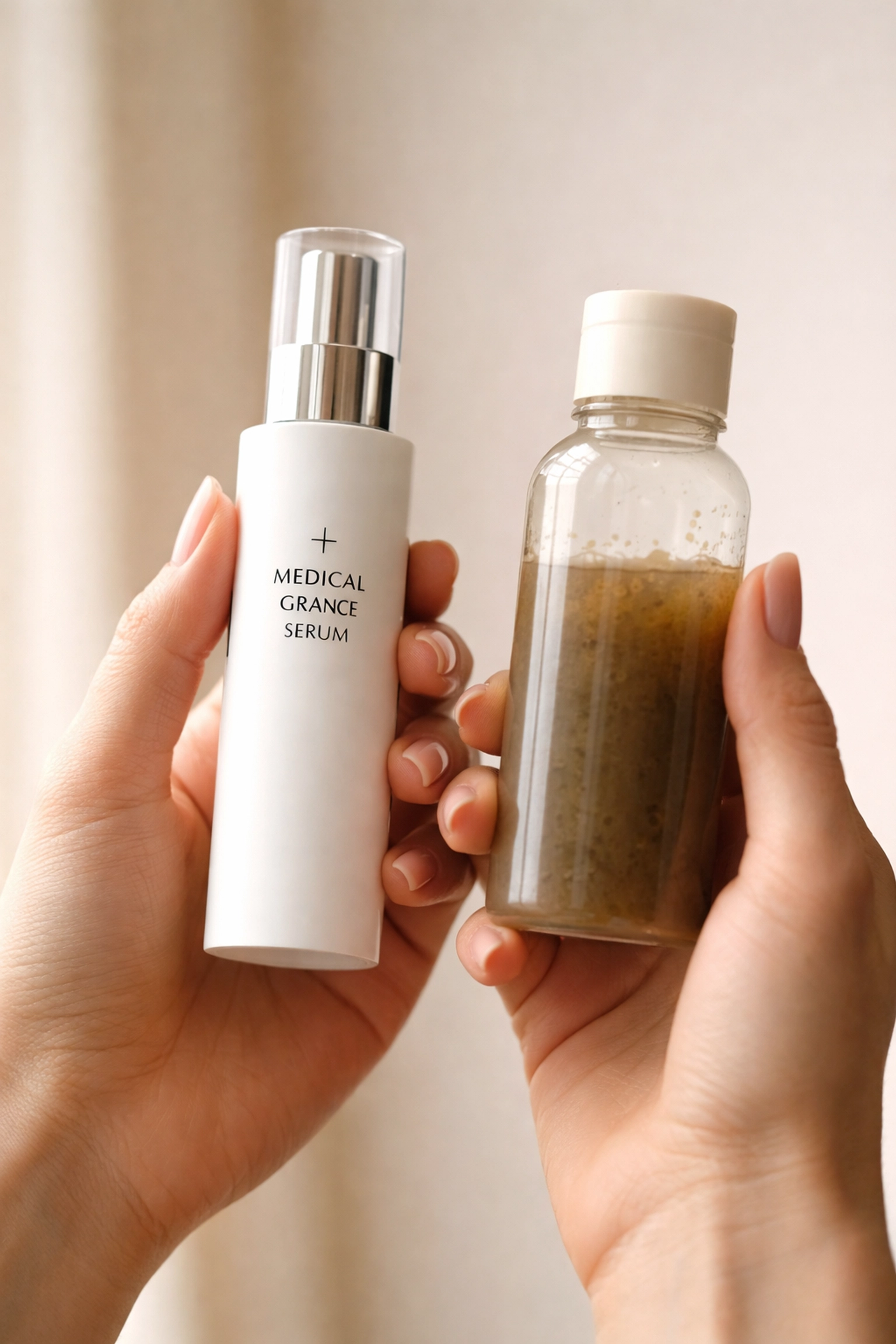
Medical-Grade Skincare
Not all skincare is created equal. The products we recommend are pharmaceutical-grade, meaning they contain active ingredients at concentrations that actually work – but safely. These are properly formulated and tested, not mystery products from unknown sources.
Chemical Peels
Professional chemical peels can be incredibly effective for pigmentation when done correctly. We use specific formulations suited to different skin types, including those with more melanin who may be at higher risk of post-inflammatory hyperpigmentation with the wrong treatment.
Microneedling
This treatment stimulates your skin's natural healing response and can help improve uneven tone over time. When combined with the right serums, it can be a game-changer for stubborn pigmentation. You can read more about our microneedling treatments here.
Polynucleotides
These are newer to the UK market but showing fantastic results for overall skin health and radiance. I've written about the benefits of polynucleotides if you'd like to learn more.
Questions to Ask Before Any Treatment
Whether you come to me or see another practitioner, here's what you should be asking:
"What qualifications do you have?" Look for medical training, not just a weekend course. Skin is complex, and treating pigmentation requires understanding how different skin types respond.
"What exactly is in this product/treatment?" You deserve to know. A good practitioner will explain the active ingredients and why they've chosen them for you.
"What are the potential side effects?" Anyone who tells you there are zero risks isn't being honest. Every treatment has potential downsides – what matters is minimising them.
"How will you monitor my progress?" Pigmentation treatment often requires adjustments along the way. You want someone who'll check in and adapt your plan as needed.

Red Flags to Watch For
Please, please avoid:
Products without proper identification numbers – In the UK, look for legitimate product registrations
Treatments offered by non-medical practitioners for complex skin concerns
Promises of dramatic results in days – real improvement takes time
Products bought from social media ads or unverified online sellers
Anyone who doesn't ask about your medical history before treating you
If something seems too good to be true, it probably is.
The Bottom Line
Skin lightening treatments can be safe – but only when approached correctly.
The DIY route with unregulated products? That's genuinely risky, and I've seen the consequences firsthand.
Working with a qualified medical professional who understands your skin, uses evidence-based treatments, and monitors your progress? That's a completely different story.
If you're struggling with pigmentation, melasma, or uneven skin tone, I'd genuinely love to help. We can have an honest conversation about what's realistic for your skin and create a plan that's safe and effective.
You can book a consultation here – no pressure, just a proper assessment and some honest advice.
Your skin deserves better than mystery products and crossed fingers. It deserves proper care.
Dr. Nabilah Chowdhury is a GP with over 20 years of medical experience and the founder of Bella Medica Aesthetics in Lancashire. She specialises in safe, evidence-based aesthetic treatments with a focus on natural-looking results.
Comments