


PDO Threads vs Dermal Fillers: Which Is Better for Your Facial Lifting Goals?
I'm asked this question almost daily in my clinic here in Lancashire: "Should I get threads or fillers?" And honestly, there's no single correct answer. It completely depends on what you're trying to achieve, your skin quality, and what kind of results you're after.
After years of performing both treatments, I've learned that PDO threads and dermal fillers are actually quite different beasts. They're often lumped together as "non-surgical face lifting" options, but they work in fundamentally different ways. Let me walk you through what I tell my patients when they're trying to decide between the two.
What Are PDO Threads?
PDO (polydioxanone) threads are medical-grade sutures that we insert under your skin to physically lift and reposition sagging tissue. Think of them as tiny scaffolds that literally hold your skin in a lifted position.
The procedure takes about 30 to 60 minutes, and here's what makes them special: they provide immediate lifting results that you can see right away. But that's not all they do. As the threads sit under your skin, they trigger your body's natural healing response, stimulating collagen production over the following months.

The threads themselves dissolve naturally over 12 to 18 months, but the collagen they've stimulated sticks around, continuing to support your skin even after the threads are gone.
I use PDO threads most commonly for:
Lifting sagging jowls and jawline
Repositioning dropped cheeks
Tightening the neck area
Creating a more defined profile
What Are Dermal Fillers?
Dermal fillers are injectable gels, usually made from hyaluronic acid, that add volume and structure to your face. Unlike threads that lift by physically pulling tissue upward, fillers work by restoring lost volume and supporting your skin from within.
When we strategically place fillers in the right areas, they can create a lifting effect by replacing the volume you've naturally lost with age. It's like reinflating a slightly deflated balloon, when you add volume back in the right places, everything looks lifted and more youthful.
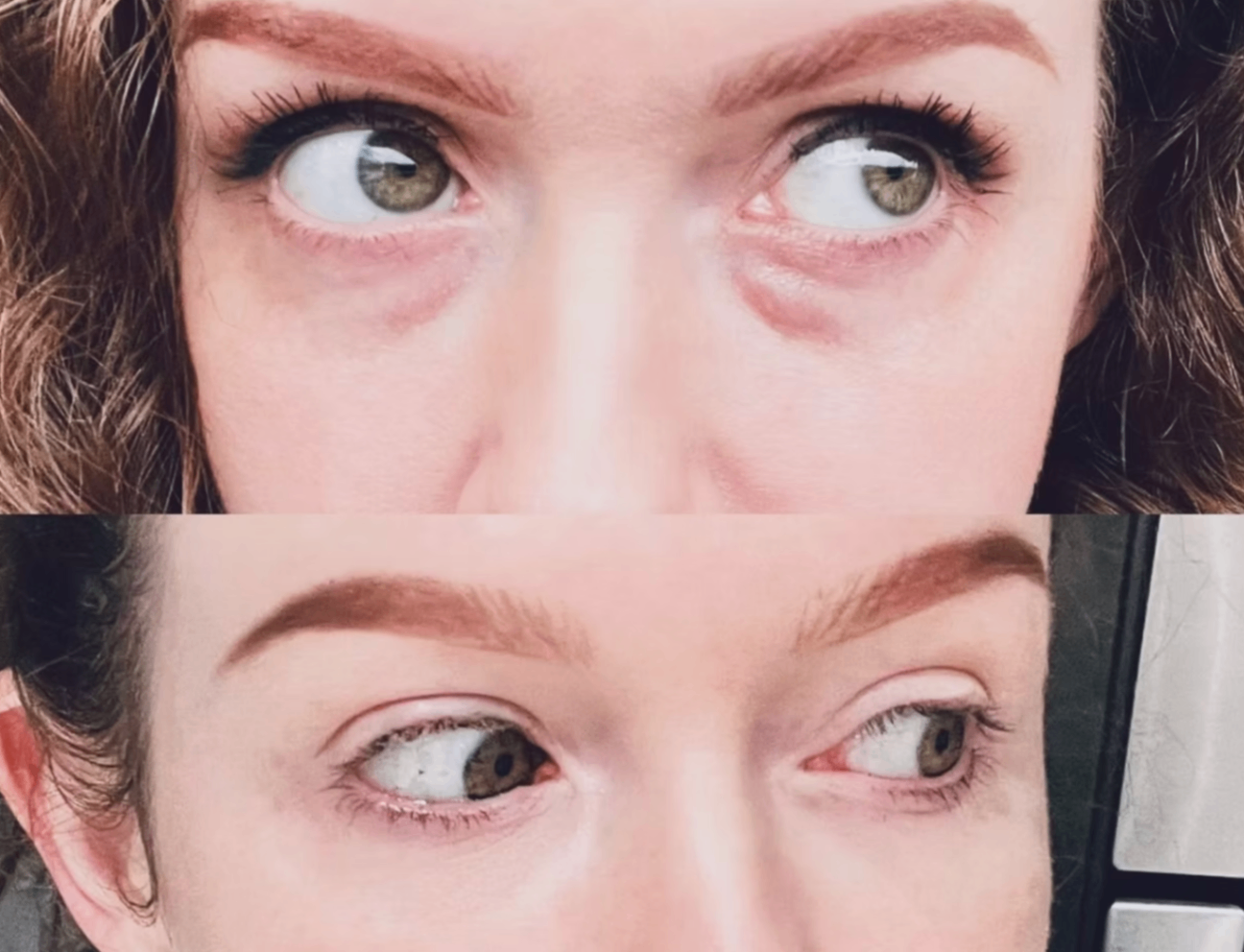
I use dermal fillers for:
Restoring volume in the cheeks and mid-face
Smoothing nasolabial folds (smile lines)
Enhancing the jawline and chin
Treating under-eye hollows
Adding volume to lips
The Key Difference: Lifting vs Volume Replacement
Here's where it gets interesting. PDO threads are your go-to when you have actual sagging skin that needs to be physically repositioned. If gravity has taken its toll and things have genuinely dropped, threads can mechanically lift that tissue back up.
Dermal fillers, on the other hand, are brilliant when volume loss is your main concern. As we age, we lose fat pads in our face, which causes everything to deflate and sink. Fillers replace that lost volume, which can create an indirect lifting effect by providing structural support.
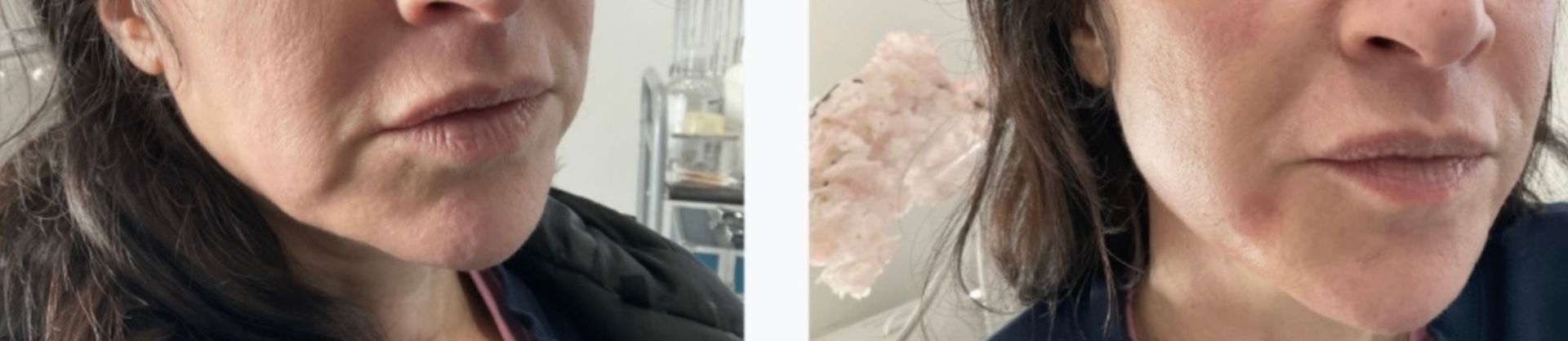
Think of it this way: if your face is a tent, threads pull the fabric tighter, while fillers add poles underneath to prop it up. Sometimes you need one, sometimes the other, and sometimes, honestly, you need both.
Results and Longevity: What to Expect
PDO threads give you that immediate "wow" moment. You'll see lifting right after the procedure, though there may be some initial swelling. The results typically last 12 to 18 months as the threads dissolve and your collagen builds up. Some research suggests the initial volume improvement can diminish around the 60-day mark, which is why I always set realistic expectations with my patients.
Most people return to normal activities within a day or two, though you might have some minor bruising or swelling initially.
Dermal fillers also provide immediate results, but they work differently over time. Depending on the product and placement, fillers can last anywhere from 6 months to 2 years. The beauty of fillers is that they're reversible: if you don't like the result, we can dissolve them. Threads can't be reversed in the same way.
Which One Is Better for Lifting?
I'll be straight with you: if you want dramatic, immediate lifting of sagging skin, PDO threads generally provide more noticeable results than fillers alone. They're physically repositioning tissue, which creates a more dramatic improvement, especially in the lower face and jawline.
However, threads aren't magic. They work best when:
You have mild to moderate skin laxity (not severe sagging)
Your skin still has reasonable elasticity
You're looking for a non-surgical alternative to a facelift
You want to stimulate collagen for long-term improvement
Dermal fillers are your better choice when:
Volume loss is your primary concern
You want a more subtle, gradual enhancement
You're treating specific areas like cheeks or under-eyes
You prefer a treatment that's reversible
You have minimal actual sagging
The Honest Truth About Combination Treatments
In my practice, I find that many patients actually benefit from combining both treatments. Threads can lift the sagging tissue, while strategic filler placement restores volume and provides additional support. This approach often gives the most natural, comprehensive result.
For example, I might use threads to lift the jowls and jawline, then add a small amount of filler to the cheeks to restore volume and support the lift. It's about creating harmony in your face, not just addressing one issue in isolation.
Making the Right Choice for You
When patients come to me undecided, I always start with a thorough facial assessment. I look at:
Where you've lost volume versus where you have actual sagging
Your skin quality and elasticity
Your facial structure and natural contours
What bothers you most when you look in the mirror
Your lifestyle and downtime availability
There's genuinely no "better" treatment: only what's better for your specific situation. Some faces respond beautifully to threads, others transform with just strategic filler placement, and many benefit from both.
What to Consider Before Booking
Both treatments should only be performed by experienced, qualified practitioners. PDO threads in particular require precise technique and anatomical knowledge. At our clinic, we always conduct a thorough consultation before any procedure to ensure you're getting the right treatment for your goals.
I also want to mention that while both treatments are marketed as "non-surgical," they're still medical procedures with real risks if not performed correctly. That's why choosing a doctor-led clinic matters.
Ready to Discuss Your Options?
The best way to know which treatment is right for you is to have a face-to-face consultation. I can assess your facial structure, listen to your concerns, and recommend the approach that will give you the most natural, effective results.
If you're in Lancashire and considering either PDO threads or dermal fillers for facial lifting, I'd love to meet you and create a personalized treatment plan. Every face is different, and your treatment should reflect your unique goals and anatomy.
Book your consultation today at Bella Medica Aesthetics and let's chat about which option: or combination of options: will help you achieve the refreshed, lifted look you're after.
Remember, there's no rush to decide. Take your time, do your research, and when you're ready, we'll be here to guide you through every step of your aesthetic journey.
Comments