


Polynucleotides Vs Traditional Fillers: Which Is Better For Your Under-Eyes?
If there is one thing I hear more than anything else during consultations at Bella Medica Aesthetics, it’s this: "I just look so tired."
It doesn’t matter if you’ve had ten hours of sleep, a gallon of water, and the most expensive concealer on the market, sometimes the skin under our eyes just doesn't want to cooperate. Whether it’s dark circles, deep hollows, or that "crepey" texture that makes makeup sit in fine lines, the under-eye area is often the first place to show signs of ageing or stress.
For years, the "gold standard" for fixing this was tear trough filler. But lately, there’s a new player in town that everyone is talking about: Polynucleotides.
I’m often asked, "Which one is better?" The truth is, there isn't a single "correct" answer because they do two completely different jobs. If you’re trying to decide which treatment will help you ditch the concealer and feel refreshed, let’s break down the differences, the science, and why we’re so excited about the polynucleotides benefits we’re seeing here in our Lancashire clinic.
Traditional Tear Trough Fillers: The Volume Kings
When we talk about traditional under-eye treatments, we’re usually talking about dermal fillers. These are made of Hyaluronic Acid (HA), a substance that occurs naturally in your body and loves to hold onto moisture.
I have been performing dermal fillers for years, and for the right candidate, they are nothing short of magic. If your main concern is a physical "dip" or a "hollow" under your eyes (the kind that creates a shadow regardless of the light), fillers are usually the answer.
How they work
Fillers act like a tiny, injectable cushion. By placing a specific type of HA filler deep under the skin, we can physically lift that hollow area so it sits flush with your cheek. The result? The shadow disappears instantly.
The pros and cons
The biggest "pro" of fillers is the immediate gratification. You walk in with a hollow, and you walk out with a smooth transition. However, filler doesn't actually improve the quality of your skin. It just fills the space.
Also, it’s worth noting that the under-eye is a very delicate area. If the skin is too thin or lacks elasticity, the filler can sometimes look puffy or even show a slight blue tint (known as the Tyndall effect). This is why a consultation at a doctor-led clinic is so vital, we have to ensure your skin is strong enough to support the product.
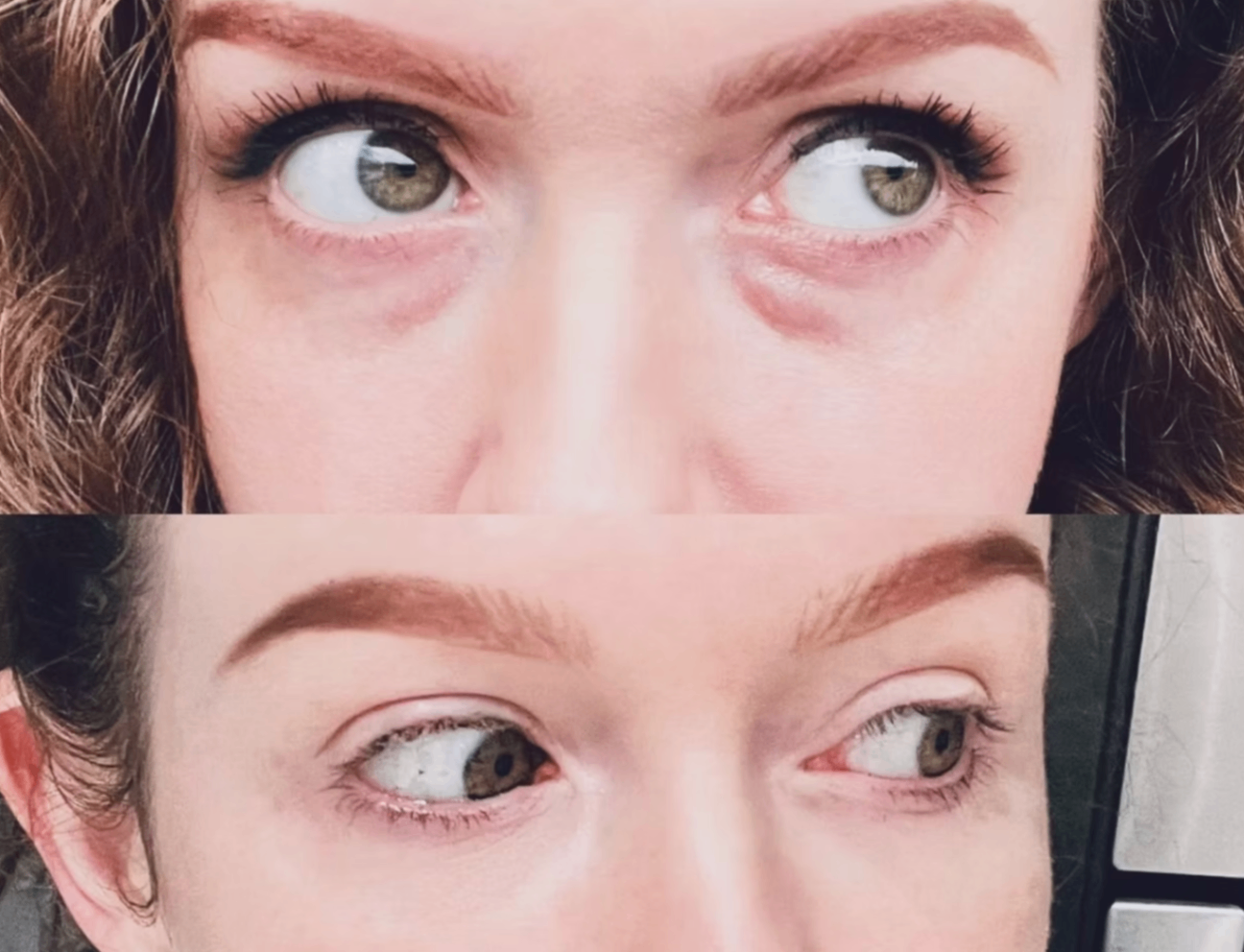
Enter Polynucleotides: The Skin Repair Heroes
If fillers are the "cushion," think of Polynucleotides as the "renovator."
Polynucleotides (or PN) are the latest breakthrough in regenerative medicine. Unlike fillers, they aren't meant to sit there and take up space. Instead, they are made of purified fragments of DNA (typically derived from salmon DNA, which is incredibly compatible with human skin) that signal your cells to get back to work.
How they work
When we inject polynucleotides into the under-eye area, they don't just "fill" a gap. They go to work at a cellular level. They stimulate fibroblasts, which are the cells responsible for producing collagen and elastin. They also boost hydration and improve blood flow to the area.
Instead of just masking the problem with volume, we are actually repairing the skin from the inside out.
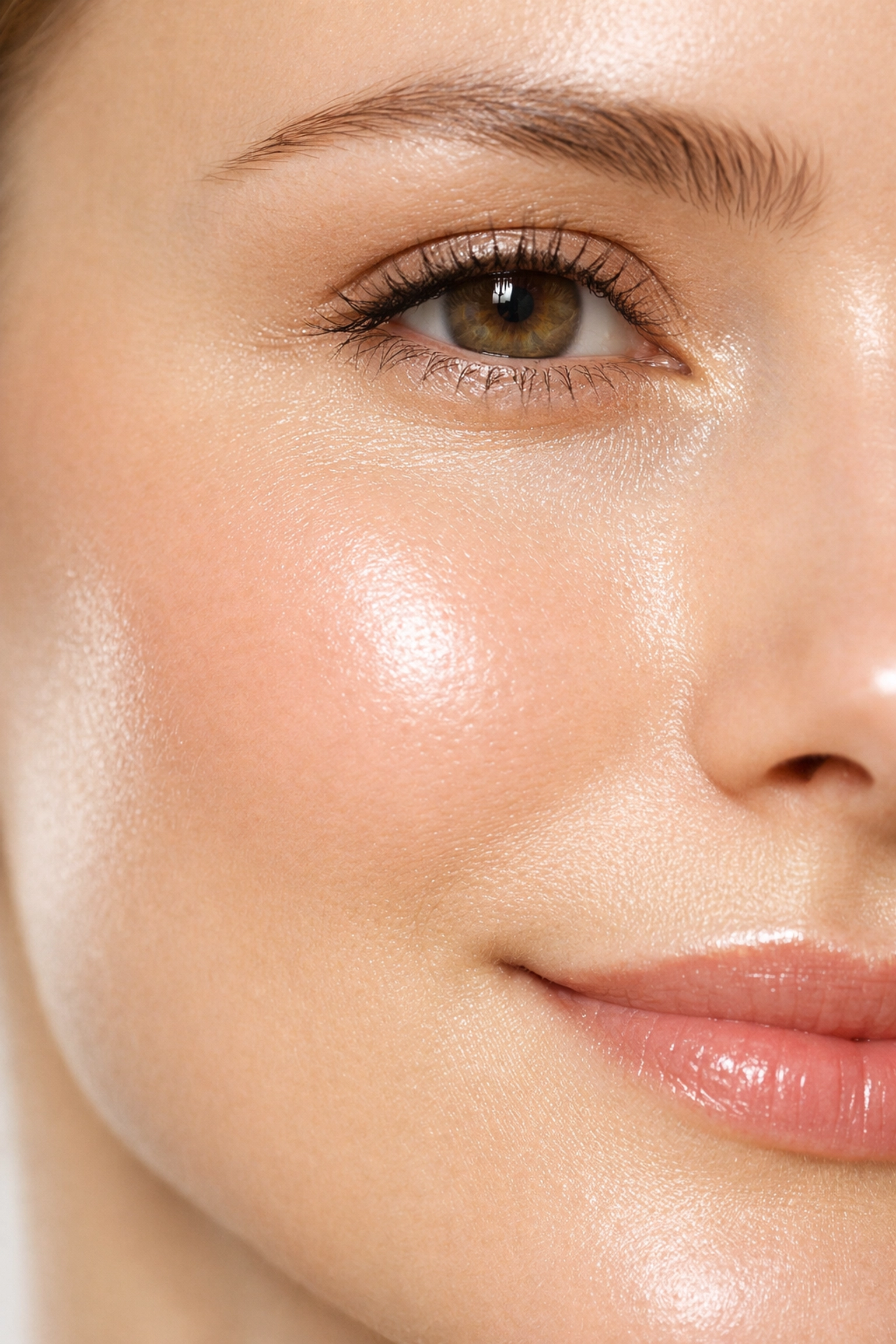
Polynucleotides Benefits: Why We Love Them
So, what makes these so special? The polynucleotides benefits go far beyond just "looking better." Because this is a regenerative skin treatment, the results look incredibly natural because, well, it’s your own skin doing the work!
Here are a few reasons why we’re seeing such a surge in popularity for this treatment at our aesthetics blackburn clinic:
Skin Quality Improvement: If your skin looks "crepey" or like tissue paper, PN will thicken and strengthen that tissue.
Dark Circles: By improving blood flow and skin thickness, PN can significantly reduce the appearance of dark circles that aren't caused by shadows.
No Puffiness: Because PN isn't a gel that attracts water (like HA fillers do), there is virtually zero risk of looking "over-filled" or puffy.
Natural Longevity: You aren't just relying on a product to stay in place; you are building a healthier foundation of collagen.
Side-By-Side: Which One Do You Need?
I know it can be confusing, so I’ve put together a quick guide to help you figure out which category you might fall into.
Your Concern | Best Option | Why? |
Deep hollows and "tear troughs" | Tear Trough Filler | You need volume to lift the physical dip. |
Thin, crepey, or "papery" skin | Polynucleotides | You need to build collagen and skin thickness. |
Fine lines and wrinkles (Crow's feet) | Polynucleotides | It smooths the texture without adding bulk. |
Pigmented or "blue" dark circles | Polynucleotides | Improves circulation and skin density to hide vessels. |
Instant results for a big event | Tear Trough Filler | PN takes time to work (usually 2-3 sessions). |
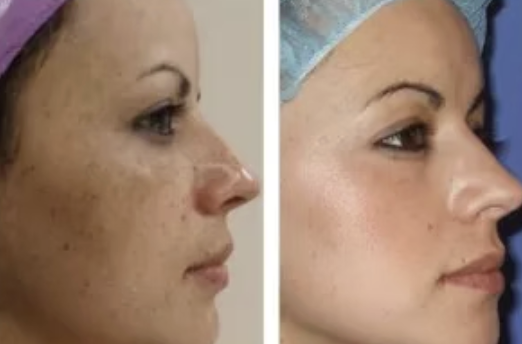
Why a Doctor-Led Clinic Matters
When it comes to your eyes, you shouldn't take any risks. The anatomy around the eyes is incredibly complex, with a network of blood vessels and nerves that require an expert hand.
At Bella Medica Aesthetics, we are a doctor-led clinic. This means that every treatment plan is designed with safety as the absolute priority. Whether we are discussing polynucleotides or a combination of treatments, you can rest easy knowing you are in medical hands.
We pride ourselves on being one of the leading clinics in Lancashire, and our focus is always on safe, natural, and effective results. We aren't here to give you a "frozen" look or an overfilled face; we’re here to help you look like the best version of yourself.

The "Hybrid" Approach: Can You Have Both?
This is where things get really exciting! In my clinical experience, the best results often come from a combination.
Sometimes, a patient has deep hollows and very thin skin. If we just put filler in, the thin skin might not hide the filler well. In these cases, I often recommend a course of polynucleotides first to "prep" the skin. By thickening the skin and making it healthier, the filler then sits much more naturally and lasts longer.
Alternatively, we might use wrinkle reduction treatments for the crow's feet and polynucleotides for the under-eye texture to give a full, refreshed rejuvenation.
What is the Treatment Like?
If you’re worried about needles near your eyes, don’t be! We use very fine needles or a blunt-tipped cannula to ensure the process is as comfortable as possible.
For polynucleotides, we usually recommend a course of three treatments spaced about 2–4 weeks apart. This gives your body enough time to start that collagen production. You’ll start to see the real "glow" about a month after your second session.
Fillers, on the other hand, are typically a one-off session with a follow-up a few weeks later to make sure everything has settled perfectly.

Final Thoughts
The world of aesthetics is moving away from "just filling holes" and moving towards "skin health," which is why I’m such a huge fan of polynucleotides. They offer a level of repair that we just couldn't achieve five years ago.
However, fillers still have a very important place for those of us with structural hollowing.
If you’re still unsure which path is right for you, the best next step is a face-to-face consultation. We can look at your skin, chat about your goals, and look at our price list to find a plan that works for you.
Ready to wake up those tired eyes? Whether you're in Blackburn, Preston, or anywhere else in Lancashire, we'd love to see you at the clinic. You can book your consultation here or contact us with any questions you might have!
See you soon!
Nabilah & the Bella Medica Team
Comments