


Skin Lightening Treatments Near Me: 10 Reasons Your Results Aren't Working (And How Doctor-Led Care Fixes It)
- Nabilah Chowdhury
- Mar 23
- 4 min read
I have countless conversations with clients who come to me frustrated. They've tried everything: creams, serums, at-home treatments: but their hyperpigmentation, melasma, or post-acne marks just won't budge. Sometimes they've even made things worse.
Let me be clear from the start: I'm not talking about changing your natural skin tone. I'm talking about treating legitimate skin concerns: stubborn dark patches, uneven tone from sun damage, melasma, or marks left behind from acne. These are medical concerns that deserve medical-grade solutions.
Here's why your current approach probably isn't working, and how proper doctor-led care changes everything.
1. You're Using Products That Contain Dangerous Ingredients
This is the big one. Many over-the-counter products marketed for "skin lightening" contain ingredients that are genuinely harmful. Mercury, unlicensed steroids, and high concentrations of hydroquinone without medical supervision can cause serious damage.
I've seen clients who've developed blue-black discoloration (called exogenous ochronosis), allergic reactions, and even systemic toxicity from these products. The scary part? There are currently no FDA-approved over-the-counter skin lightening products in the United States. None.
When you come to a doctor-led clinic like ours, everything we use is pharmaceutical-grade, properly licensed, and administered safely.

2. You're Treating the Wrong Condition
Not all pigmentation is the same. Melasma behaves differently than post-inflammatory hyperpigmentation. Sun damage requires different treatment than hormonal pigmentation.
Without proper diagnosis, you're essentially guessing. A medical professional can identify exactly what type of pigmentation you're dealing with and create a targeted treatment plan. What works brilliantly for sun spots might make melasma worse, and vice versa.
3. You're Not Addressing the Root Cause
This is where medical expertise becomes essential. Pigmentation often has underlying causes: hormonal imbalances, inflammation, medication side effects, or ongoing sun damage.
During consultations, I take a full medical history. Sometimes the solution isn't just topical treatment but addressing what's triggering the pigmentation in the first place. If you're treating the symptoms without fixing the cause, you'll never see lasting results.
4. Your Treatment Isn't Penetrating Deep Enough
Over-the-counter products sit on the surface. They can't penetrate to the deeper layers where pigmentation forms. That's just biology: your skin's barrier is designed to keep things out.
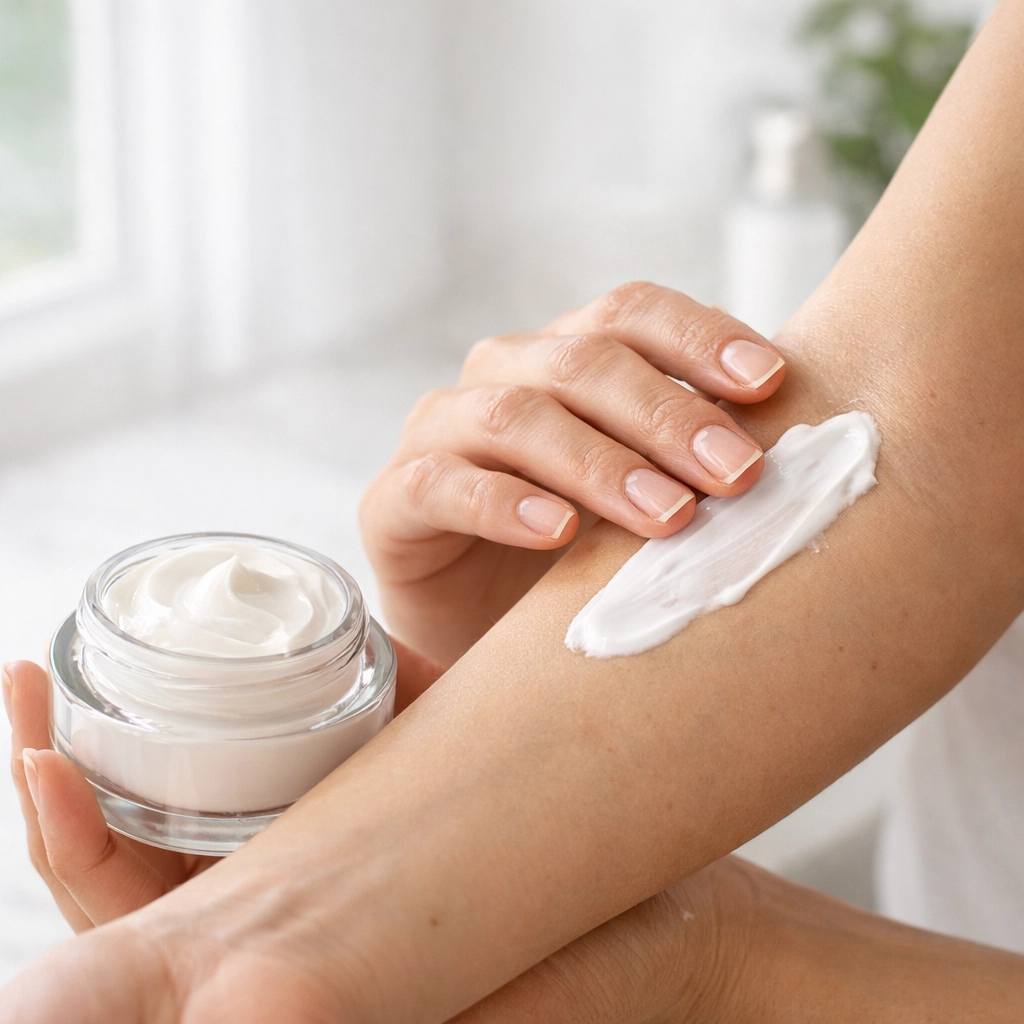
Medical-grade treatments like prescription-strength formulations, chemical peels, and laser treatments actually reach the dermal layers where change happens. We can use concentrations and technologies that simply aren't available in retail products.
5. You're Not Using Sun Protection Properly
I'm going to be honest with you: if you're not using SPF 50 every single day, religiously, your pigmentation treatment will fail. Full stop.
UV exposure triggers melanin production. Every time you step outside without protection, you're undoing any progress you've made. Even on cloudy days. Even in winter. Even if you're just popping to the shops.
In our clinic, we educate clients on proper sun protection as part of every pigmentation treatment plan. It's non-negotiable.
6. You're Expecting Results Too Quickly (Or Using Products Inconsistently)
Pigmentation treatment requires patience and consistency. Skin cells turn over approximately every 28 days, and deeper pigmentation can take months to improve.
I often see clients who've used a product for two weeks, seen no change, and given up. Or they use it sporadically and wonder why nothing's happening.
With doctor-led care, you get realistic timelines from the start. We create treatment protocols with proper intervals, follow-up appointments to track progress, and adjustments when needed.
7. You're Using Too Many Products at Once
More isn't better. I've seen clients layering five different "brightening" products, causing irritation, barrier damage, and paradoxically, more pigmentation.
Overloading your skin can trigger inflammation, which actually stimulates melanin production: the exact opposite of what you want. A simplified, strategic approach prescribed by a medical professional yields better results.
8. Your Skin Barrier Is Compromised
If your skin is irritated, red, or sensitive, no pigmentation treatment will work effectively. A damaged skin barrier leads to increased inflammation and poor product absorption.
We always assess skin health before beginning any pigmentation protocol. Sometimes we need to spend weeks repairing the barrier before we can address pigmentation. It's slower but infinitely more effective.
9. You Need Professional-Grade Treatments, Not Just Products
For moderate to severe pigmentation, topical products alone rarely suffice. This is where medical treatments come in:
Chemical peels that reach appropriate depths
Laser treatments that target melanin without damaging surrounding tissue
Microneedling combined with pigment-correcting serums
Prescription-strength formulations like cysteamine, which is nontoxic and suitable for long-term use
These treatments require medical training and proper equipment. You can't replicate them at home, and attempting to do so can cause serious harm.
10. You Don't Have Ongoing Professional Monitoring
Pigmentation treatment isn't one-and-done. It requires monitoring, adjustments, and sometimes combining different approaches over time.
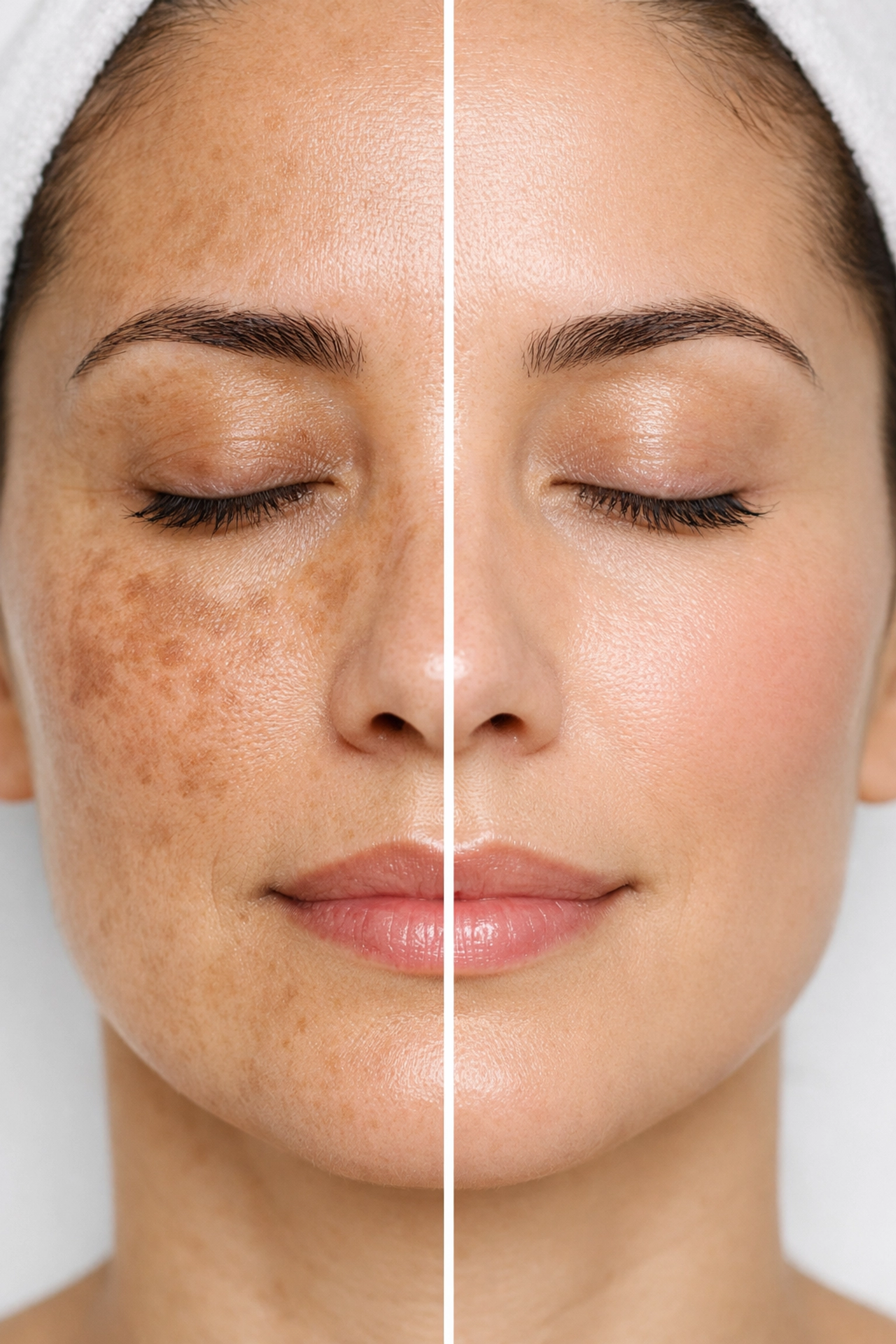
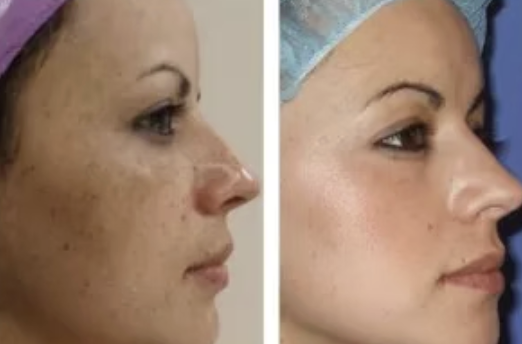
At Bella Medica Aesthetics, we schedule regular review appointments. We photograph your skin to track changes that might be too gradual to notice day-to-day. We adjust treatment intensity based on your skin's response. This ongoing care is what separates medical treatment from throwing money at random products.
Why Doctor-Led Care Is Different
Here's what you get when you choose proper medical care for pigmentation concerns:
Accurate diagnosis – We identify exactly what's causing your pigmentation Safe, pharmaceutical-grade products – No mercury, no unlicensed ingredients, no guesswork Medical-grade treatments – Technologies and concentrations that actually penetrate and work Personalized protocols – Treatment tailored to your specific skin, lifestyle, and goals Professional monitoring – Regular reviews and adjustments as your skin changes Holistic approach – We address underlying causes, not just symptoms
What to Expect at Your Consultation
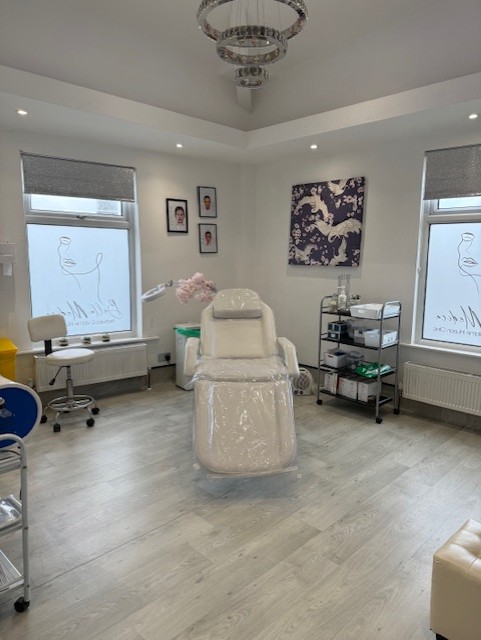
When you book with us, your first appointment is about understanding: your skin history, concerns, what you've tried, your lifestyle, and your goals. We examine your skin properly, often using specialized lighting to see pigmentation beneath the surface.
Then we create a treatment plan. This might include:
Prescription-strength topical treatments
In-clinic procedures like chemical peels or laser sessions
Homecare protocols with medical-grade products
Sun protection strategies
Follow-up schedule
We're always honest about timelines and realistic expectations. Pigmentation treatment takes time, but with the right approach, it works.
Ready to Finally Address Your Pigmentation Concerns?
If you've been frustrated with products that don't work, or worse, products that have made things worse, it's time for a different approach.
Doctor-led care means safety, expertise, and actual results. We're here in Lancashire, and we'd love to help you achieve the even, healthy skin you deserve.
Book your consultation here and let's create a treatment plan that actually works for your skin.
Your pigmentation concerns are valid, and they deserve proper medical attention. Let's fix this together.
Comments