


Under-Eye Rejuvenation Secrets Revealed: Why Polynucleotides in Lancashire are Replacing Traditional Fillers
- Nabilah Chowdhury
- Apr 21
- 5 min read
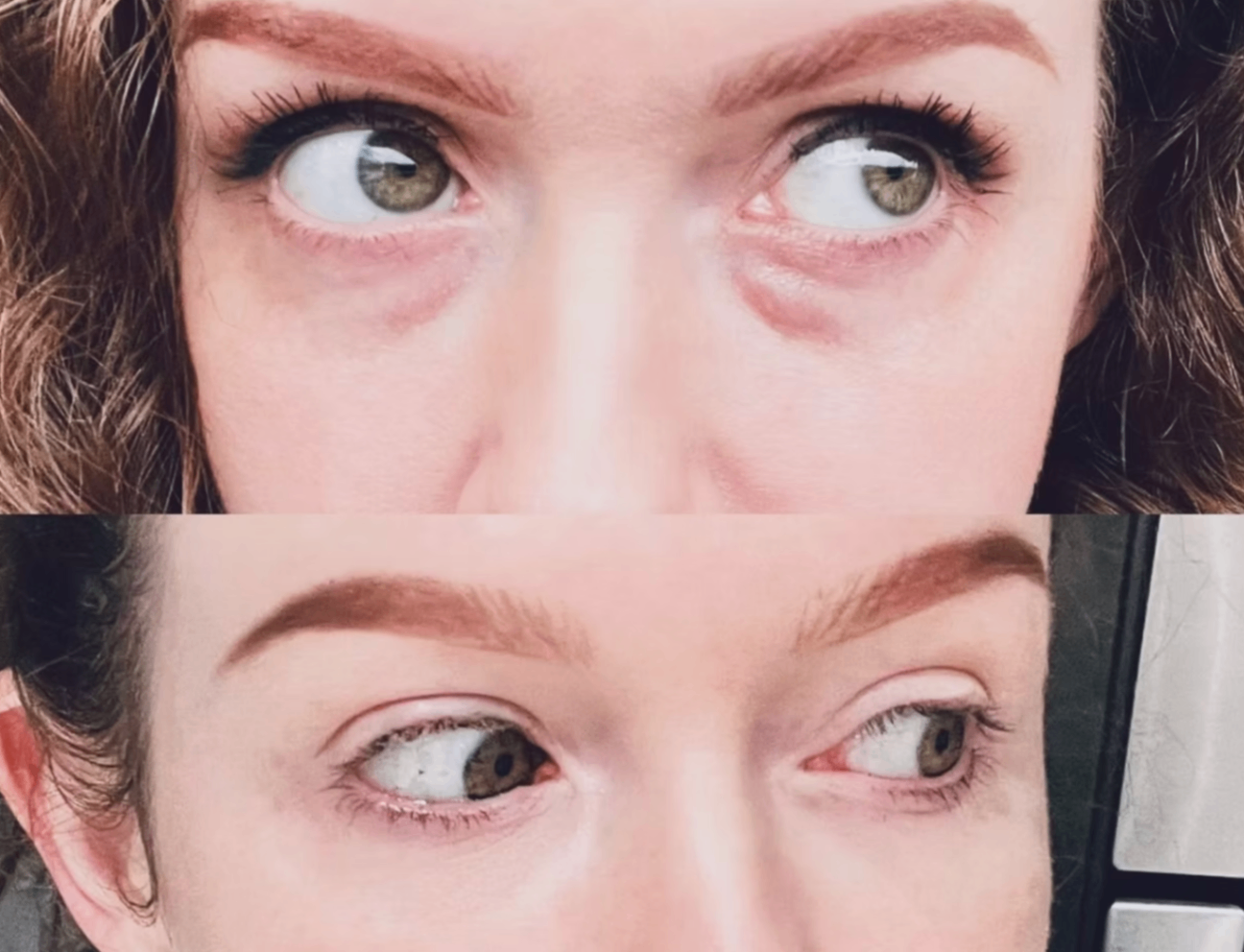
If there’s one thing I hear more than anything else in my clinic, it’s this: "Nabilah, I just look so tired."
It doesn't matter how much sleep you get, how much water you drink, or which "miracle" eye cream you’re currently patting on every night: sometimes the under-eye area just refuses to cooperate. For years, the go-to solution for hollowing and dark circles was dermal filler. And don't get me wrong, I’ve seen some incredible results with dermal fillers over the years. But lately, there’s been a massive shift in the aesthetics world, especially here in Lancashire.
We are moving away from just "filling" a problem and moving toward "repairing" it. That’s where Polynucleotides come in. If you haven't heard of them yet, you’re about to, because they are effectively changing the way we look at under-eye rejuvenation at Bella Medica Aesthetics.
Why the "Tired Look" Happens in the First Place
Before we dive into the "what," let’s talk about the "why." The skin under our eyes is some of the thinnest on the entire body. As we age, we lose collagen and elastin (the stuff that keeps skin bouncy), and the fat pads under our eyes begin to shift or shrink. This creates that "tear trough" hollow that makes you look like you haven't slept since 2015.
Traditionally, we’d pop a little bit of hyaluronic acid filler in there to plump it back up. It’s an instant fix, and for the right candidate, it’s brilliant. But the under-eye area is notoriously finicky. Fillers can sometimes attract too much water, leading to puffiness, or they can create a blueish tint under the skin known as the Tyndall effect.
This is why I’m so excited to offer polynucleotides to my patients. Instead of just putting a "cushion" under the skin, we are actually telling the skin to fix itself.

What Exactly are Polynucleotides?
I get asked this all the time: "Is it a filler?" The short answer is no.
Polynucleotides are biological molecules: specifically, filtered and ultra-purified DNA fractions. When we inject them into the skin, they act like a biological "instruction manual." They communicate with your cells (fibroblasts, to be nerdy for a second) and tell them to start producing more collagen and elastin. They also have incredible anti-inflammatory properties.
Think of it this way: if filler is like a high-quality rug covering a worn-out floor, polynucleotides are the skilled craftsmen coming in to sand, stain, and repair the floorboards themselves.
Why Polynucleotides are Taking Over Lancashire
At Bella Medica Aesthetics, we’ve seen a huge surge in patients specifically asking for this treatment. Why? Because the results look: and feel: entirely natural. There is no risk of the "overfilled" look.
Here are the four main reasons why I believe they are becoming the gold standard for under-eye care:
1. They Improve Skin Quality, Not Just Volume
Fillers add volume, but they don't do much for the actual quality of the skin. Polynucleotides improve the thickness, texture, and elasticity of that delicate under-eye skin. This is perfect for those "crepey" fine lines that filler sometimes can’t quite reach.
2. They Tackle Dark Circles
Dark circles are often caused by poor circulation or thin skin showing the blood vessels underneath. Because polynucleotides boost skin thickness and improve vascularization, they can actually brighten the area in a way that fillers can’t.
3. Minimal Risk of Puffiness
Because polynucleotides aren't "hydrophilic" (meaning they don't suck in water like hyaluronic acid does), you don't get that "boggy" or puffy look that can sometimes happen with under-eye fillers, especially if you’re prone to allergies or sinus issues.
4. It’s "Bio-Hacking" for Your Face
This is regenerative medicine at its finest. You aren't just masking the signs of aging; you are essentially reversing the clock on a cellular level.

The Treatment Journey: What to Expect
I always tell my patients that polynucleotides are a "slow burn" treatment. Unlike lip fillers where you see the change immediately, polynucleotides require a little patience.
I typically recommend a course of three sessions, spaced about 2 to 4 weeks apart.
Session 1: We set the foundation.
Session 2: This is where the cellular repair really kicks into high gear.
Session 3: The "icing on the cake" for maximum longevity and glow.
The injections themselves are relatively quick. We use very fine needles or a cannula, and because I’m a doctor-led clinic, your comfort and safety are always my top priorities. You might have a little bit of swelling (like tiny bee stings) for 24–48 hours, but it settles very quickly.
Are Polynucleotides Right for You?
If you’re looking at your reflection and seeing hollowing, dark circles, or fine "crinkle" lines when you smile, you’re likely a great candidate.
However, it’s not a "one size fits all" world. Sometimes, I might suggest combining treatments. For instance, we might use polynucleotides to thicken the skin and then a tiny bit of wrinkle reduction treatment for crow's feet, or even microneedling to improve the overall complexion of the face.
The best way to know is to come in for a chat. You can see our full range of options on our price list or meet our expert team to discuss your goals.
The Bella Medica Difference: Doctor-Led Care
In the world of aesthetics, who performs your treatment matters just as much as what they’re injecting. As the CEO of Bella Medica Aesthetics, I’ve built this clinic on the foundation of medical safety and natural-looking results.
We aren't here to change the way you look; we’re here to make you look like the best, most rested version of yourself. Whether we’re discussing PDO threads or skin lightening protocols, every plan is bespoke to you.
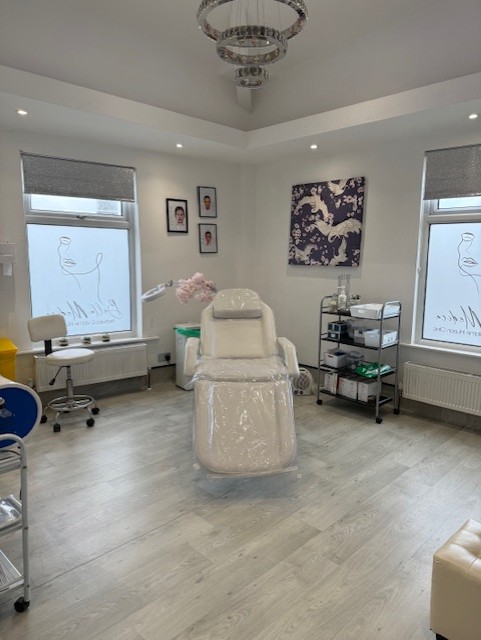
We are proud to be an award-winning clinic in Lancashire, and we take that responsibility seriously. Our treatment rooms are designed to be clinical yet incredibly welcoming: a place where you can feel safe and pampered.
Combining Polynucleotides with Other Treatments
While polynucleotides are the star of the show for under-eyes, they play very well with others. If you have concerns about volume loss in the cheeks that is making your under-eyes look worse, we might look at mid-face dermal fillers.
If you’re looking for a full-face glow, we often pair polynucleotides with Profhilo, which acts as an injectable moisturizer for the rest of the face. The combination of regenerative DNA and high-grade hyaluronic acid is a powerhouse for aging skin.
Final Thoughts: Is it Time to Say Goodbye to Tired Eyes?
If you’ve been on the fence about under-eye filler because you’re worried about looking "done" or puffy, polynucleotides might just be the answer you’ve been waiting for. It’s the secret to looking refreshed, bright-eyed, and rejuvenated without anyone being able to point out exactly what you’ve had done.
The "secrets" are out: regenerative medicine is the future of aesthetics in Lancashire.
Ready to start your rejuvenation journey?
I’d love to see you in the clinic to discuss how we can help you feel more confident in your skin. You can book your consultation directly through our portal below.
For any other questions, feel free to reach out to us on our contact page or check out our latest results on our blog.
See you soon,
Nabilah Chowdhury CEO, Bella Medica Aesthetics

Comments